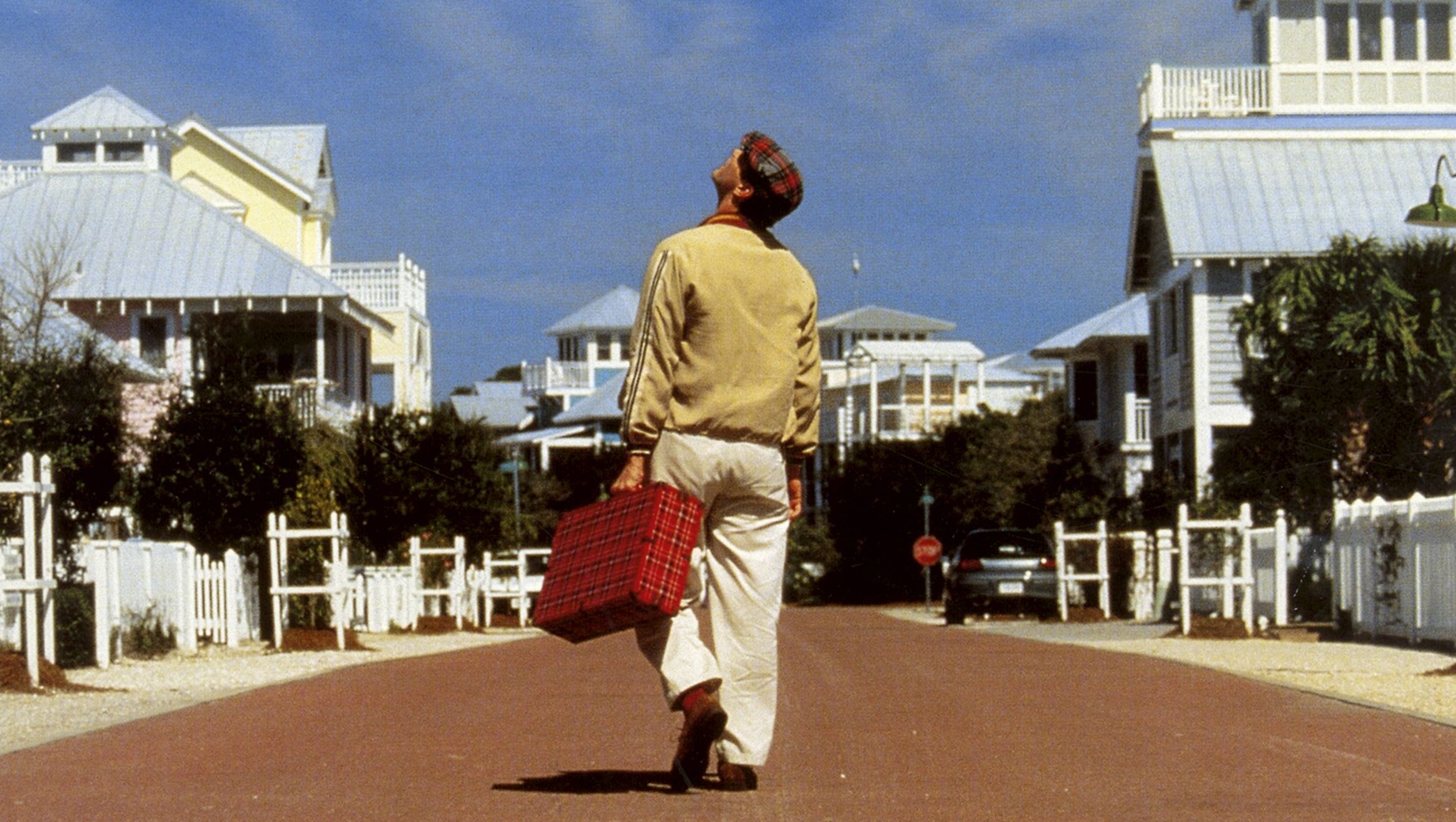
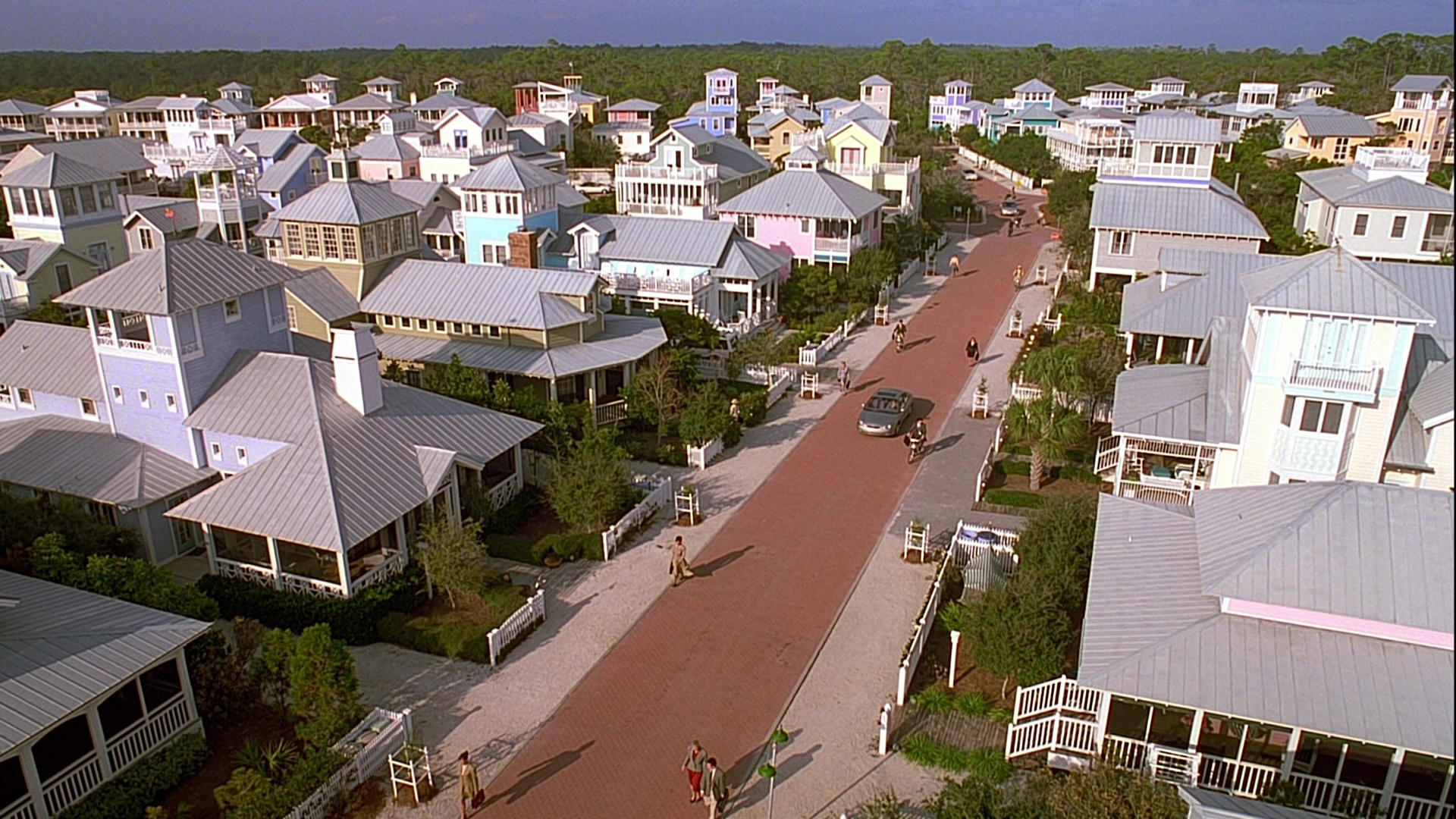
What unsettles me most about The Truman Show is not the fact that Truman’s world is fake. We know that almost immediately. The interesting part is how completely a constructed world can become ordinary when you have never been given another one to compare it with. Seahaven is cheerful, predictable and suspiciously well behaved. The neighbours are friendly, the lawns are immaculate, the traffic seems to have developed a personal interest in Truman’s schedule, and whenever something unusual happens, an explanation arrives quickly enough to prevent the unusual thing from becoming a question. From the outside it is ridiculous. From Truman’s position, it is simply Tuesday.
That is probably why the film still feels uncomfortable long after its premise stopped being surprising. Truman is not held inside Seahaven by a locked door. He is held there by a reality that has been repeated often enough to become self-evident. He has been taught that travelling is dangerous, that leaving is impractical, that curiosity beyond a certain radius is unnecessary. The system does not need to physically restrain him because it has already installed the restraint inside him. Once someone learns to fear the boundary, the boundary becomes wonderfully low-maintenance.
What changes the story is not one dramatic revelation but a series of small failures in the world around him. Something falls from the sky. People repeat patterns that should have been accidental. Someone appears where they should not. The explanations continue to arrive, but they begin to feel slightly less convincing than the questions. None of these incidents is enough on its own to explain Truman’s reality. What matters is that he eventually stops treating them as isolated mistakes and begins to see a pattern.
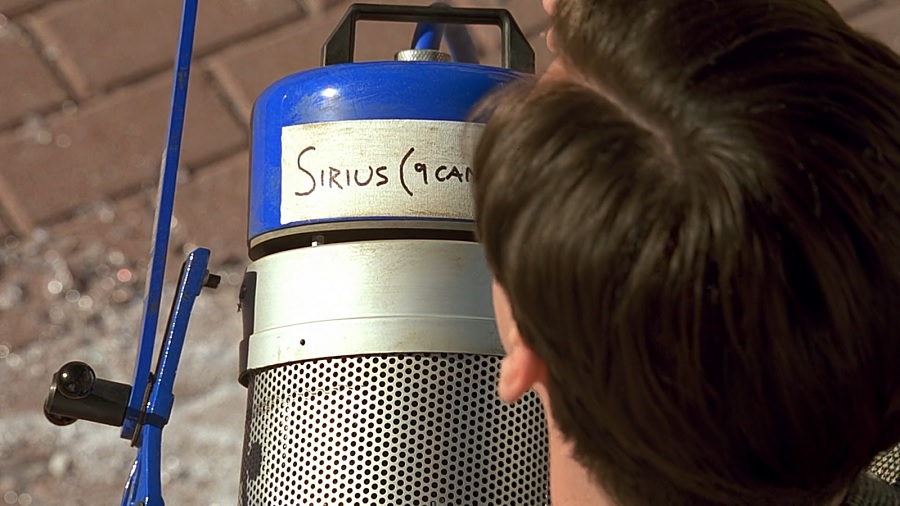
I like that because systems are often easiest to recognise at the moment they stop behaving perfectly. Before that, they can disappear into normality. A process that has existed for years begins to feel less like a decision someone once made and more like a law of nature. A routine becomes “how we do things.” An assumption becomes “obvious.” By the time anyone asks why, the answer is often some variation of “because that is how it works,” which is usually less informative than people hope.
When Truman begins to suspect the structure around him, the physical world has not changed. His interpretation of it has. A neighbour stops being only a neighbour. Traffic stops being random. A conversation acquires another possible meaning. Even his memories become unstable because some of the experiences that taught him how the world works were deliberately manufactured. The same evidence remains in front of him, but the framework that organised it has changed. I think that is much more interesting than simply discovering a secret. Sometimes new information adds another fact to what we know. Sometimes it rearranges the meaning of everything that was already there.
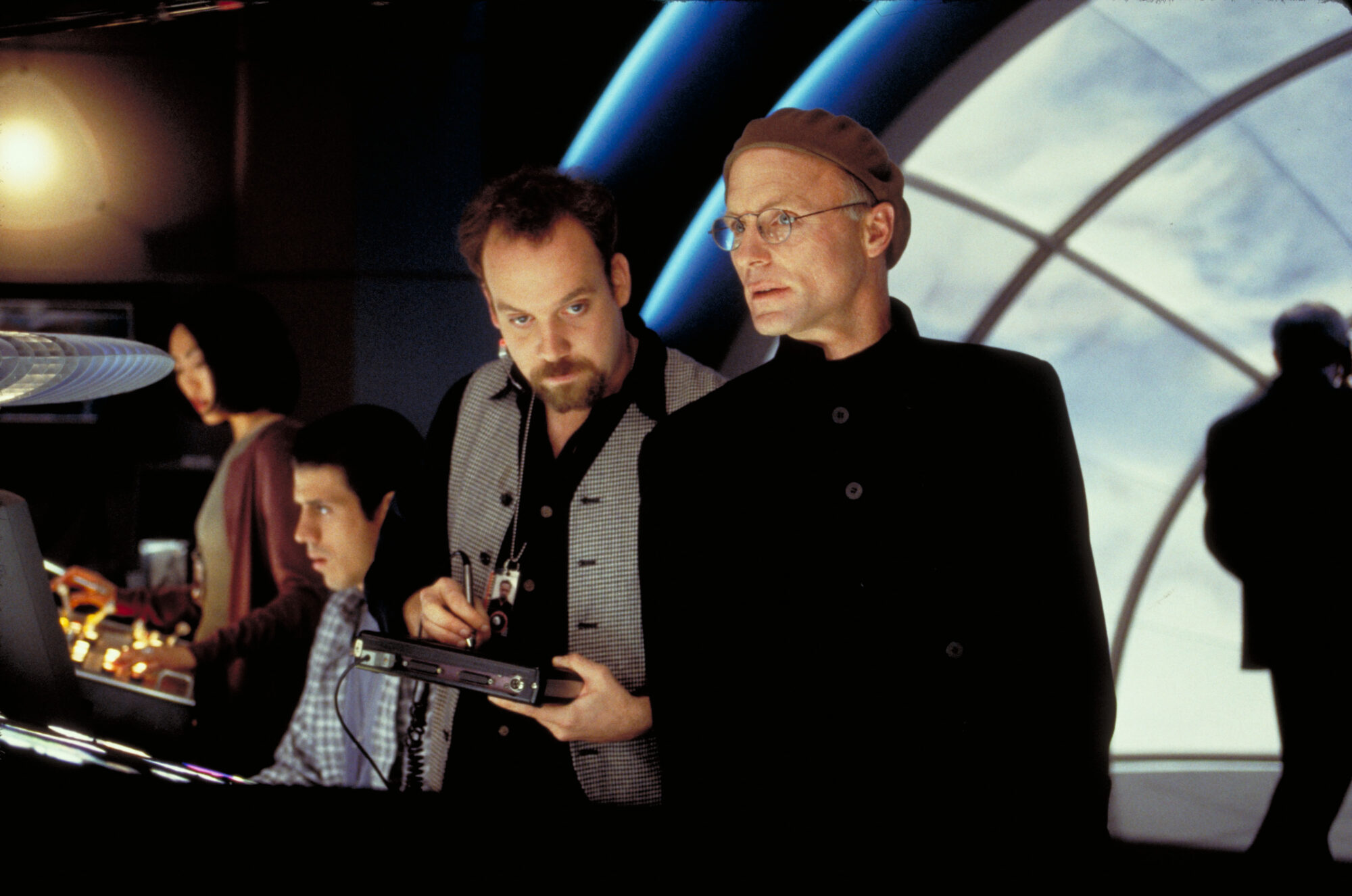
Christof makes that idea more uncomfortable because he does not seem to think of himself as cruel. He believes he is protecting Truman. Outside Seahaven there is uncertainty, disappointment and danger; inside, everything can be controlled. His reasoning has the structure of care: I know what is safer for you, therefore I should be allowed to decide it for you. The problem is that care becomes something very different when the person receiving it has no agency. Christof’s affection does not make the system kinder. If anything, it makes the system more believable, because control is much easier to justify when the person exercising it is convinced that they are acting in someone else’s best interest.
That is one of the things I keep returning to in the film: people do not always need malicious intentions to create something oppressive. Sometimes certainty is enough. If someone becomes completely convinced that they understand what another person needs, the question of whether that person gets to choose can quietly disappear. Everyone still feels reasonable. The lighting remains excellent. A human life is still being managed.
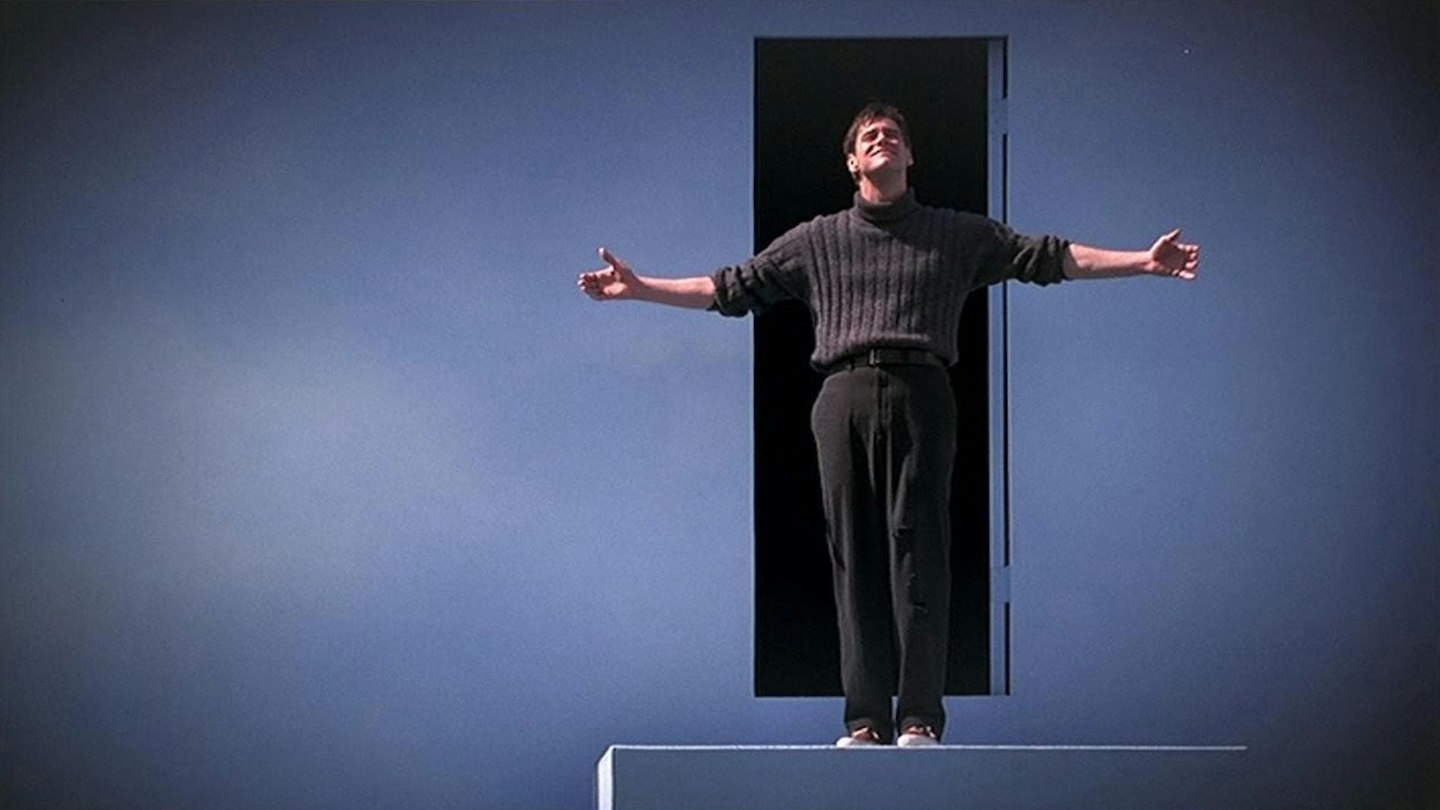
By the time Truman reaches the edge of Seahaven, the final decision is physically simple. There is a door. He can stay or he can leave. What is outside is unknown, and the film does not pretend that reality will automatically be kinder than the world he is leaving. That would undermine the choice. Truman is not choosing guaranteed happiness. He is choosing the right to encounter circumstances that have not already been arranged for him.
I think that is why the ending works so well for me. It is usually described as a story about freedom, but I think it is equally a story about authorship. Truman has spent his life inside conditions written by someone else: his fears, his environment, many of his relationships, even the boundaries of what he believed was possible. Stepping through the door means accepting a world where nobody has already planned the next scene.
That is a less comfortable life.
It is also finally his.
And perhaps that is what makes the final door so satisfying. After an entire film about an enormous system of cameras, sets, actors, producers and elaborate manipulation, the exit is almost insultingly ordinary. No grand machine needs to be destroyed. Truman only has to decide that uncertainty he chooses is preferable to certainty someone else designed.
What I carry into the work.
I think about this whenever I enter an existing project or process. Systems become difficult to question when people have lived inside them long enough that the assumptions begin to look like facts. Before trying to improve what is already there, it is often more useful to ask why it exists in that form at all, what assumptions are holding it together, and whether those assumptions still deserve to be there.
Sometimes the useful work begins before the solution. It begins when the system becomes visible.